
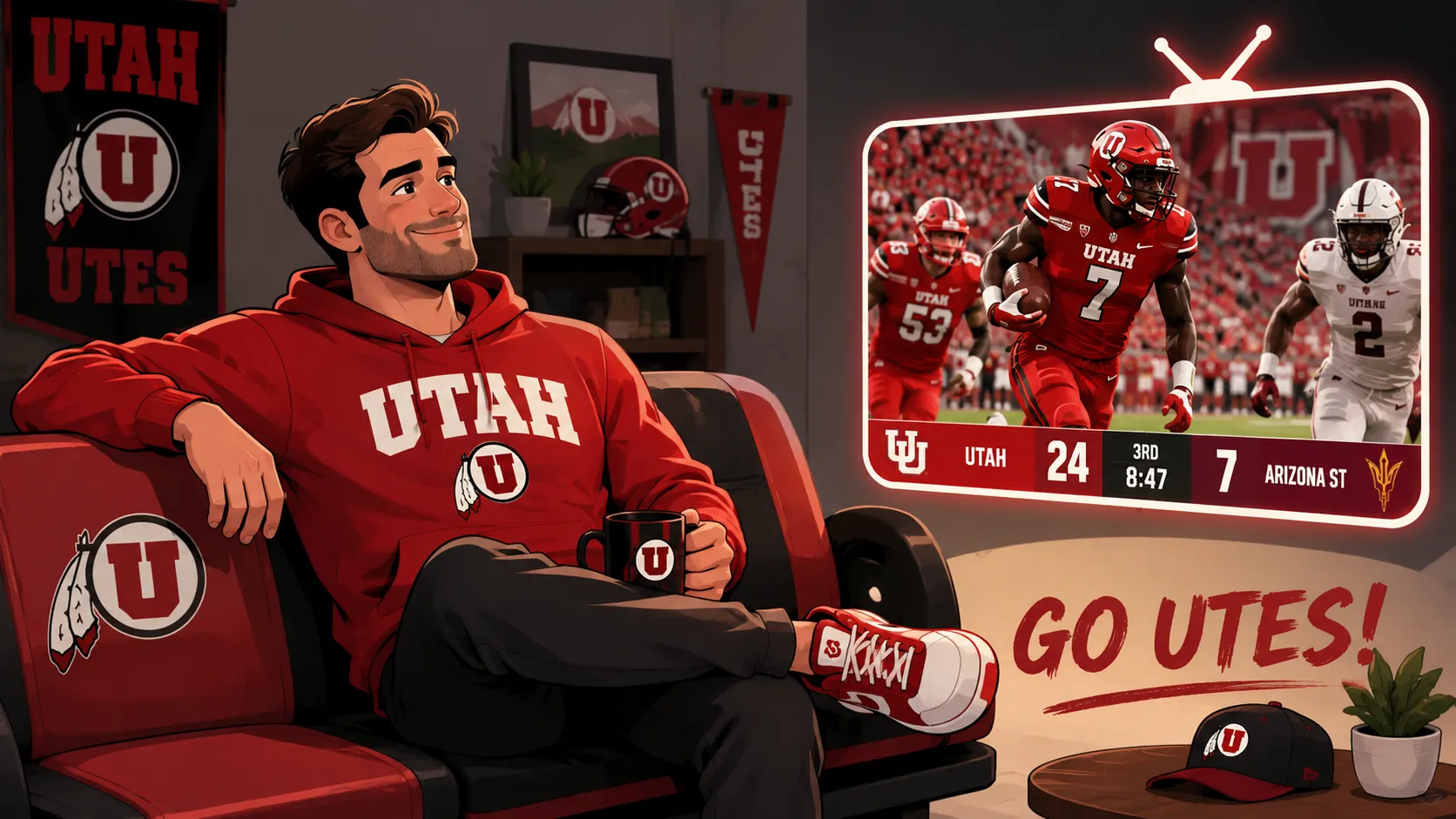
College football Saturdays feel a little like treasure hunts these days, don’t they? One week the game is on ESPN, the next it suddenly appears on FOX, and then another matchup gets tucked away on a streaming-only platform. Fans of the University of Utah Athletics football program deal with this constantly as conference media rights continue evolving across the Big 12 landscape. If you have ever found yourself asking, “What channel is the University of Utah football game on today?” you are definitely not alone.
Recent announcements for the 2026 season already show Utah games appearing across major national broadcasters including ESPN, FOX, ESPNU, and streaming services. The modern sports broadcasting world is no longer a straight line. It is more like a spiderweb connecting cable television, streaming subscriptions, conference agreements, regional rights, and kickoff scheduling windows. Fans who understand how these systems work can avoid last-minute panic and never miss a kickoff again.
Why Finding Utah Football Broadcast Information Has Become More Complicated
There was a time when college football fans could almost predict television assignments without even checking schedules. Big rivalry games landed on national networks, smaller games appeared on regional stations, and nearly everything important sat comfortably on cable television. That era has disappeared faster than a fourth-quarter two-minute drill. Modern college football broadcasting now operates across dozens of overlapping platforms, and the Utah Utes are fully caught inside that ecosystem.
One major reason is the explosion of media rights deals across college athletics. Conferences now negotiate billion-dollar agreements with broadcasters that divide games among different partners. The Big 12 Conference distributes games through ESPN networks, FOX platforms, streaming services, and occasional specialty broadcasts. This means Utah fans cannot rely on a single network all season long. One week the game could air nationally on FOX, while the following matchup may only appear on ESPN+.
Streaming has complicated matters even more. Cable no longer holds exclusive control over live sports. Broadcasters increasingly reserve certain matchups for subscription streaming services to drive digital growth. Fans who only depend on traditional cable sometimes discover too late that a game is unavailable through their package. It feels a bit like showing up to a concert ticket gate only to realize your pass works for the parking lot but not the arena itself.
Conference realignment also transformed broadcast distribution. Since Utah joined the Big 12, television partnerships shifted significantly. Networks now prioritize broader national exposure, prime-time scheduling, and competitive conference windows. That strategy increases visibility for Utah football nationally, but it also means kickoff times and channels may remain unannounced until only days before the game. Understanding these moving parts is now essential for every serious Utah football fan.
Official Sources for Utah Football Broadcast Schedules
When searching for the most accurate Utah football broadcast information, official sources should always come first. Social media rumors spread quickly during football season, and outdated listings often remain online long after schedules change. The safest approach is to rely directly on verified athletics and conference announcements before making viewing plans.
The most reliable source remains the official . The athletics department updates game listings with kickoff times, television channels, and streaming designations as soon as network partners finalize selections. Current 2026 listings already show Utah’s schedule structure while noting that many kickoff times and channels will be announced later in the season. Fans should bookmark this page because it acts as the central command center for schedule updates.
The Big 12 Conference also releases coordinated television announcements throughout the year. These updates usually arrive in waves. Early-season games receive assignments months in advance, while conference matchups often operate under six-day or twelve-day television selection windows. That flexibility allows broadcasters to prioritize higher-stakes games later in the season. It may frustrate fans trying to schedule travel, but it helps networks maximize national audiences.
Recent announcements already confirmed several Utah broadcast assignments for 2026. According to conference-related reports, Utah’s opener against Idaho is scheduled for ESPNU, the Arkansas matchup will air on ESPN, and the Utah State game is expected on FOX. Those examples show exactly how varied coverage can become within only three weeks of the same season.
Fans should also monitor official team social media accounts because broadcast updates often appear there first. Mobile notifications from athletics apps can provide instant alerts the moment television assignments change. In a landscape where kickoff times sometimes shift rapidly, real-time notifications are no longer optional. They are practically survival tools for dedicated college football viewers.
National TV Channels That Commonly Air Utah Football Games
If you are wondering which channels most frequently broadcast Utah football games, several major players dominate the rotation. The good news is that Utah enjoys substantial national visibility. The complicated part is keeping track of which network owns which game each week.
The ESPN family remains one of the primary homes for Utah football. Games may appear on ESPN, ESPN2, ESPNU, or ESPN+. Each platform serves a different role within the sports broadcasting hierarchy. ESPN carries marquee national matchups, especially prime-time contests and high-profile conference battles. ESPN2 often handles secondary national games, while ESPNU focuses heavily on college-specific coverage. ESPN+ functions differently because it operates entirely as a streaming subscription service rather than a traditional cable network.
That distinction matters enormously for fans. A game airing on ESPN can usually be found through standard cable or live television streaming packages. An ESPN+ exclusive requires a separate subscription. Many fans mistakenly assume ESPN+ comes automatically with cable access, only to discover otherwise moments before kickoff. It is the sports equivalent of arriving at the airport with the wrong boarding pass.
FOX Sports also plays a major role in Big 12 football broadcasting. Utah games may appear on the main FOX network or FS1 depending on matchup importance and scheduling windows. FOX often prioritizes nationally attractive afternoon games with large audiences, while FS1 carries additional conference inventory throughout the season. Recent Big 12 scheduling announcements confirm that FOX remains deeply integrated into conference coverage.
The following table helps simplify the major Utah football broadcast options:
| Platform | Type | Common Usage |
|---|---|---|
| ESPN | National Cable | Prime-time and major conference games |
| ESPN2 | National Cable | Secondary national matchups |
| ESPNU | College Sports Cable | Specialized college football coverage |
| ESPN+ | Streaming Only | Exclusive streaming games |
| FOX | Broadcast TV | Major national games |
| FS1 | Sports Cable | Additional conference coverage |
| CBS | Broadcast TV | Select national broadcasts |
| TNT Sports | Cable/Streaming | Expanded Big 12 coverage |
Because networks share conference rights, Utah football essentially travels through a rotating television carousel throughout the season.
Local Channels and Regional Broadcast Availability
Even though national networks dominate modern college football, local channels still matter more than many fans realize. In some areas, your access to a Utah football game depends not only on the network but also on the local affiliate carrying that network’s programming.
For example, if Utah plays on FOX, viewers usually watch through their regional FOX affiliate station. In Salt Lake City, that affiliate may differ from the FOX station available in another state. The same applies to ABC and CBS broadcasts. While the network branding remains national, local stations control over-the-air transmission availability. This becomes especially important for fans using digital antennas instead of cable subscriptions.
Antenna television has quietly become a smart backup strategy for sports fans. Broadcast networks like FOX, CBS, and ABC remain available free over the air in many regions. That means some Utah games can still be watched without cable or streaming subscriptions at all. During major matchups, especially rivalry games or conference showcases, an antenna may deliver higher picture reliability than overloaded streaming servers.
Regional sports habits also influence coverage discussions. Local pregame shows, sports talk programs, and affiliate-specific analysis often provide additional insight into kickoff adjustments and network assignments. Fans living in Utah typically receive stronger local coverage than out-of-state viewers, which creates an information gap during rapidly changing television windows.
Weather and technical limitations can also impact regional broadcasts. Mountain weather conditions occasionally interfere with signal quality, especially for antenna users. Streaming may seem more modern, but traditional broadcast television sometimes proves more stable during high-demand sports events. Think of it like choosing between an old reliable pickup truck and a flashy sports car. The newer option looks impressive until the road conditions suddenly turn rough.
Understanding the relationship between national networks and local affiliates helps viewers avoid confusion when channel numbers differ by market. Always search by network name first, then confirm the local channel assignment in your region.
Streaming Options for Watching Utah Football
Streaming has completely reshaped how college football fans consume games. Ten years ago, missing a broadcast often meant heading to a sports bar or listening on the radio. Today, almost every Utah football game can be streamed somehow, although the path to finding it sometimes feels like navigating a maze blindfolded.
ESPN+ has become especially important for college football coverage. Some Big 12 games stream exclusively there, particularly lower-profile nonconference matchups or games selected for digital distribution. Recent conference scheduling announcements show increasing reliance on streaming-exclusive broadcasts across college football. Fans who ignore ESPN+ risk missing games entirely during the season.
Several live TV streaming services also provide access to Utah football broadcasts. Platforms like YouTube TV, Hulu + Live TV, Sling TV, and Fubo typically include ESPN networks, FOX, FS1, and other major sports channels. These services function similarly to cable packages but operate through internet delivery instead of traditional satellite or cable infrastructure.
Here is where things become tricky. Not every service carries every channel. Some cheaper streaming packages exclude regional sports or secondary networks like ESPNU. Others may not include local FOX affiliates in certain areas. Fans should compare channel lineups before the season begins instead of scrambling during Week 1 kickoff.
Streaming reliability also depends heavily on internet speed. High-definition sports broadcasts require stable bandwidth, especially during prime-time games when internet traffic spikes nationally. Lagging streams during critical fourth-quarter drives remain one of the most frustrating experiences in modern sports viewing. It feels like trying to read a suspense novel while someone keeps ripping pages out of the book.
Mobile viewing has also exploded in popularity. Many fans now watch portions of games on phones or tablets while traveling, tailgating, or attending other events. Conference apps, network apps, and streaming platforms all compete for that mobile audience. As broadcasting evolves, portability increasingly matters just as much as television access itself.
Time Zones and Kickoff Adjustments
One detail that regularly confuses viewers is time zone conversion. Utah operates on Mountain Time, but national broadcasts frequently promote kickoff schedules using Eastern Time because that remains the standard for television advertising. Fans outside Utah often miscalculate kickoff windows because they forget this difference.
The official Utah schedule specifically notes that listed game times use Mountain Time whenever available. That sounds simple enough until you realize viewers across the country must constantly convert schedules for local viewing. A 7 p.m. Mountain kickoff becomes 9 p.m. on the East Coast, while Pacific viewers tune in at 6 p.m.
Prime-time television windows heavily influence kickoff scheduling decisions. Networks strategically place games into audience-friendly slots designed to maximize ratings. FOX often prioritizes major afternoon windows, while ESPN favors night games with strong national appeal. Utah’s 2026 matchup against Arkansas, for instance, is scheduled for an 8:15 p.m. Mountain start on ESPN. That translates into a very late national broadcast for East Coast viewers.
Late-night kickoff times sometimes frustrate fans attending games in person. Night games create electric atmospheres inside stadiums, but they also stretch travel logistics, especially for families or older viewers. Television executives balance stadium atmosphere against national audience behavior when selecting these windows.
Flex scheduling further complicates matters. Networks occasionally delay final kickoff announcements until closer to game day so they can react to rankings, rivalry implications, and playoff positioning. Fans planning road trips or watch parties should expect some uncertainty during conference season.
The smartest strategy is simple: always verify kickoff times within 48 hours of the game. Treat early listings as placeholders rather than guarantees. In modern college football, schedules move almost as fast as the offenses themselves.
How Broadcast Rights Affect Which Channel Carries the Game
Broadcast rights sound boring at first glance, but they quietly control almost every aspect of how fans watch college football. Understanding these agreements helps explain why Utah games bounce between networks so frequently throughout the season.
The Big 12 Conference currently operates under partnerships involving ESPN, FOX, and additional media collaborators. These contracts determine which broadcaster receives priority access to specific games. Networks essentially draft desirable matchups throughout the season based on audience projections and competitive significance.
This process creates a layered television ecosystem. Major rivalry games and ranked matchups typically land on flagship networks like FOX or ESPN. Secondary games move to FS1 or ESPN2, while lower-priority contests may stream exclusively online. From the conference perspective, spreading games across multiple partners maximizes revenue and national exposure.
Fans sometimes criticize exclusive streaming arrangements, but broadcasters see them differently. Streaming platforms represent future growth. Networks use college football to attract long-term digital subscribers, particularly younger viewers who increasingly avoid traditional cable packages. Utah football becomes part of that broader business strategy.
Broadcast rights also influence replay availability, highlights, and archive access. Certain games remain tied to specific network ecosystems even after live broadcasts end. That is why some replays appear immediately on ESPN apps while others surface elsewhere later.
The business side of college football broadcasting resembles a giant chessboard where every move involves advertising revenue, audience analytics, subscription growth, and conference branding. Fans usually only see the final result: the channel assignment appearing beside kickoff time on Saturday morning.
Tips for Reliable Viewing Every Week
If you want a stress-free Utah football viewing experience, preparation matters almost as much as the game itself. Waiting until kickoff to locate channels or troubleshoot streaming services is a recipe for frustration.
Start by setting mobile alerts through official athletics apps and sports platforms. Notifications provide instant updates whenever kickoff times or channel assignments change. Since many Big 12 games receive late television selections, these alerts become incredibly valuable throughout conference play.
Second, build backup viewing options before the season begins. Even reliable streaming services occasionally fail during major sporting events. Having an antenna, secondary streaming app, or alternative login available can save the day. Sports fans who rely on only one viewing method often discover its weaknesses during the biggest games.
Internet quality deserves attention too. If multiple devices stream simultaneously in your household, bandwidth issues can impact live sports quality dramatically. Consider wired connections for important games or reduce competing network traffic during kickoff windows.
Sports bars and public viewing venues remain underrated alternatives. Some streaming-exclusive games create confusion for casual viewers, but dedicated sports establishments typically maintain broad channel access. Watching a Utah rivalry game surrounded by fellow fans can also elevate the atmosphere beyond what home viewing provides.
Recording technology helps as well. Cloud DVR systems offered by many streaming services allow viewers to pause, rewind, or revisit key moments. That flexibility becomes especially useful during overlapping college football schedules when multiple major games occur simultaneously.
Think of reliable sports viewing like preparing for a camping trip. The people who plan ahead stay comfortable when conditions change. The unprepared group spends the night scrambling for flashlights and dry blankets.
Alternatives When the Utah Football Game Isn’t on TV
Sometimes a Utah football game simply is not available through your normal television setup. Maybe the matchup streams exclusively online, maybe regional restrictions interfere, or maybe you are traveling during kickoff. Thankfully, modern fans still have several ways to follow the action.
Radio remains one of the most dependable alternatives. Local Utah sports radio stations often provide live game coverage with detailed play-by-play commentary. Audio broadcasts carry a nostalgic charm that many longtime fans still appreciate. Great radio announcers paint verbal pictures so vividly that listeners almost feel transported directly into the stadium atmosphere.
Audio streaming has expanded radio access nationwide. Many stations now stream broadcasts online through apps and websites, allowing out-of-state fans to follow games regardless of location. This option becomes especially valuable during travel or work situations where watching live television is impossible.
Social media also plays a growing role in real-time sports consumption. Official team accounts provide live score updates, highlight clips, injury reports, and key momentum swings throughout games. While social feeds cannot replace full broadcasts, they help fans stay connected when direct viewing access disappears.
Postgame replay services offer another fallback solution. ESPN platforms, conference apps, and sports streaming services frequently archive games shortly after completion. Fans who miss live action can often rewatch full broadcasts later that evening or the following day.
Highlight packages on YouTube and sports websites provide condensed viewing experiences for busy fans. These recaps capture major touchdowns, turnovers, and pivotal moments without requiring a three-hour commitment.
Modern sports access is ultimately about flexibility. Even when a game is not available on your primary television setup, technology almost always provides another route to stay connected with Utah football.
Conclusion
Finding the correct channel for a University of Utah football game used to be simple. Today, it requires understanding conference television contracts, streaming services, national broadcast windows, local affiliates, and evolving digital rights agreements. The broadcasting landscape changes constantly, especially as the Big 12 expands its partnerships across multiple platforms.
The good news is that Utah football enjoys strong national exposure. Games regularly appear on ESPN, FOX, ESPNU, FS1, and streaming platforms like ESPN+. Fans who follow official athletics announcements, enable mobile alerts, and prepare backup viewing options can navigate this complex system successfully.
College football broadcasting may feel fragmented sometimes, but it also offers unprecedented flexibility. Whether you prefer cable television, streaming apps, mobile viewing, radio broadcasts, or replay services, there are now more ways than ever to follow the Utes throughout the season.
The key is preparation. Check official schedules regularly, understand your streaming subscriptions, verify kickoff times close to game day, and always keep a backup plan ready. Do that, and you will spend less time searching for channels and more time enjoying the chaos, drama, and excitement that make college football unforgettable.
FAQs
What channel are most Utah football games shown on?
Most Utah football games appear on major national networks such as ESPN, FOX, FS1, ESPNU, and ESPN+. The exact channel depends on conference television selections and matchup importance.
How can I find the official Utah football broadcast schedule?
The best source is the official , which updates kickoff times and television assignments throughout the season.
Are any Utah football games streaming-only?
Yes. Some games may stream exclusively on ESPN+ or other digital platforms depending on Big 12 media agreements and network scheduling decisions.
Why do kickoff times change during the season?
Networks use flexible scheduling windows to maximize ratings and prioritize important matchups. Some kickoff times are finalized only six or twelve days before game day.
Can I watch Utah football without cable?
Yes. Fans can use live TV streaming services, ESPN+, antennas for broadcast channels, mobile apps, and radio streaming options to follow games without traditional cable subscriptions.

Kellan Rhodes is a 29-year-old American content writer based in Boise, Idaho. He specializes in technology, gaming, and digital culture, bringing years of experience researching and producing reliable online content. His work emphasizes accuracy, practical insights, and reader-first publishing standards. As a contributor to gamersrealm.online, he focuses on creating well-researched articles that help readers make informed decisions while maintaining strong editorial integrity and trust.